
Operations · 10 Jul 2026 · 4 min read
Your Outsourced Shipping Workforce Is an Invisible Data Leak
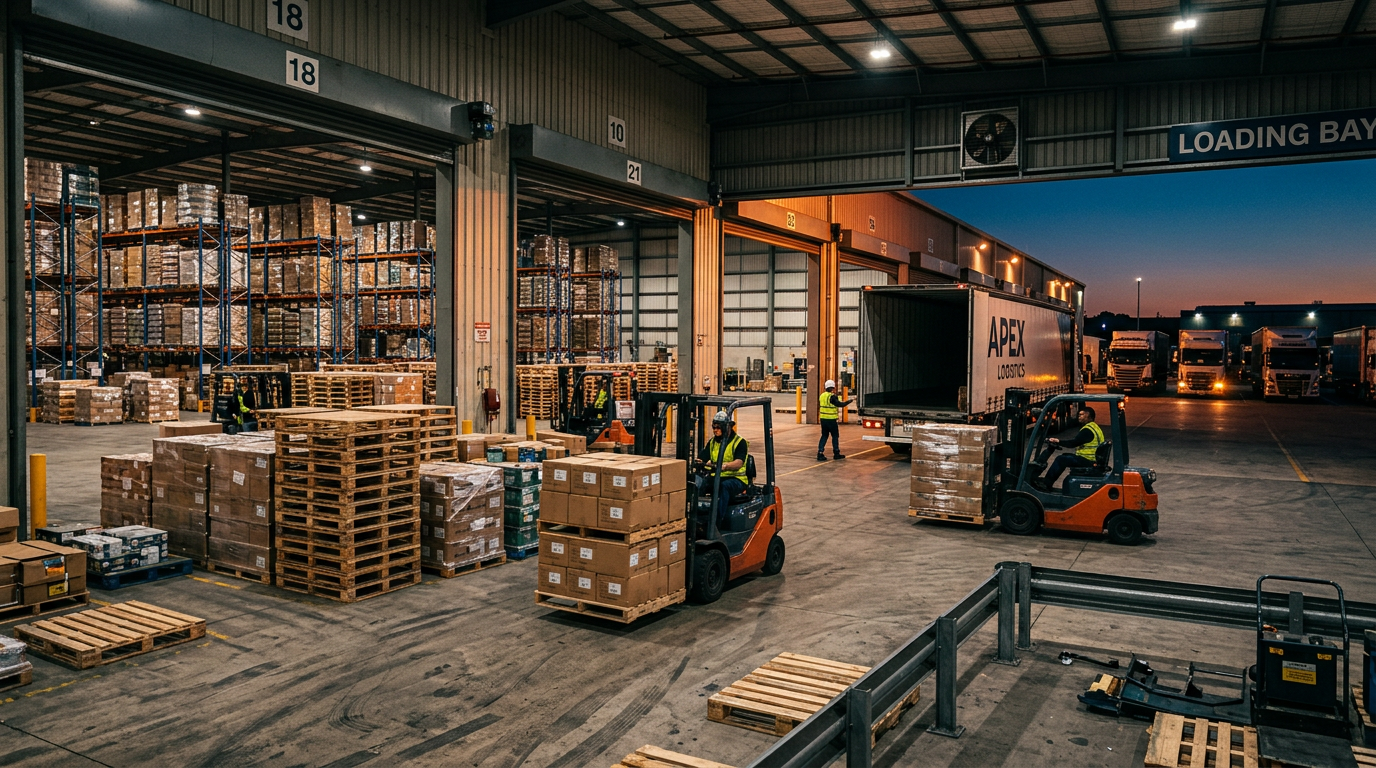
Discover why GCC logistics firms must own the digital management layer of their outsourced workforce to stop data leaks and fix the visibility gap.
Reframing the External Workforce: Why the Management Layer Is Non Negotiable in GCC Logistics
Many GCC distribution and logistics businesses operate on a thin layer of internal staff supported by a heavy volume of outsourced shipping and warehouse personnel. This model is built for flexibility and cost control. However, it often creates a massive operational blindness that senior leaders only discover when a major delivery fails.
When you outsource the labor, you often inadvertently outsource the data. If your third party personnel are the only ones with eyes on the stock, the loading bay, and the final mile, your internal visibility is only as good as the reports they choose to send you.
This is an operational lesson in why owning the management layer through AI is the only way to protect your margin.
The Cost of the Information Gap
In a typical Jebel Ali or Riyadh based distribution hub, the internal team manages the ERP while the outsourced team manages the physical movement. The friction occurs in the middle.
We often see businesses where: 1. Short shipments are not reported until the customer complains. 2. Damaged goods are moved to the back of the warehouse without a digital record. 3. Final mile delays are captured in a private WhatsApp group that the Operations Director cannot see.
This is not just a communication problem. It is a data leak. Every time a physical event happens without a corresponding digital timestamp in your system, you lose the ability to predict delivery confidence.
Owning the Layer without the Headcount
The traditional answer to this problem was to hire more internal supervisors. In the current GCC market, that is a slow and expensive route that kills your agility.
The modern answer is to build an AI powered management layer that sits between your business and the outsourced workforce. This involves three specific shifts:
### 1. WhatsApp Native Data Capture Do not ask outsourced drivers or warehouse staff to log into your ERP. They will not do it. Instead, use AI agents that capture job status, photos of delivery notes, and damage reports directly from WhatsApp. The AI parses the data and writes it into your central system in real time.
### 2. Autonomous Exception Flagging You do not need to monitor every shipment. You need to know which shipments have deviated from the plan. Our AI agency builds workflows that flag when a driver has been at a site for too long or when a loading window is missed. You manage the deviation, not the person.
### 3. The Delivery Confidence Score By owning the data stream, you can assign a confidence score to every order. If the outsourced team has not updated a milestone by 10 am, the system automatically downgrades the confidence score and alerts your internal team to intervene before the customer is affected.
The Result: Visibility as an Asset
We worked with a GCC distributor who moved from manual order tracking to a custom AI exception engine in just two weeks. They did not change their outsourced partners. They changed how they captured the data from them.
The result was a 97 percent reduction in missed customer contacts and a 6 percent fall in transportation costs through better consolidation. They reclaimed twenty hours of senior staff time every week because they stopped chasing status updates and started managing outcomes.
If you are relying on an external workforce, you must own the digital record of their work. Otherwise, you are not running an operation. You are just watching one happen.
Torrevie is a GCC AI implementation agency and operations advisory firm based in the UAE, specialising in AI automation builds, supply chain advisory, fractional management, CME, and AEO, serving COOs and founders across the UAE and KSA.
Want to talk through how this applies to your business?
Book a call