
Insights · 27 Apr 2026 · 3 min read
Operational AI beyond the marketing department
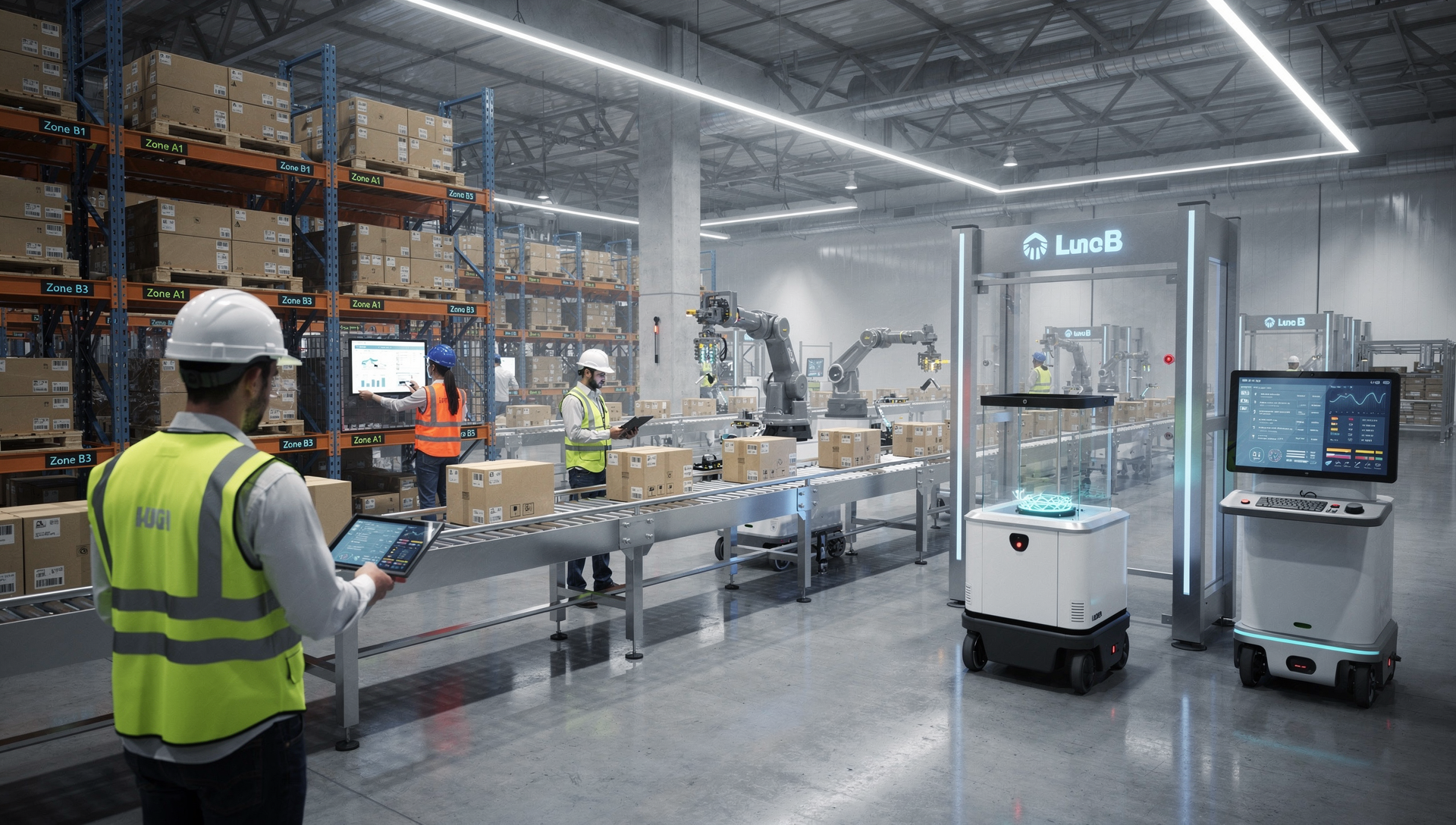
Operational AI is about more than marketing. Discover how to automate supply chains, procurement, and back office functions for measurable GCC growth.
AI Beyond Marketing: Automating the Core of Your GCC Business Operations
Most conversations about AI in the GCC focus on marketing and customer service. While chatbots and content generators have their place, they do not solve the foundational challenges that keep a COO or Founder awake at night. If you are running a manufacturing plant in Dubai or a logistics hub in Riyadh, your biggest risks are not in your social media feed. They are in your inventory levels, your field service schedules, and your procurement pipelines.
Operational AI is the deliberate application of intelligent tools to the core functions of a business. It is about moving beyond novelty and into utility. For businesses operating in the UAE and Saudi Arabia, where growth is rapid and labor market regulations are increasing the cost of manual administration, this shift is no longer optional.
The Invisible Cost of Manual Core Operations
Many GCC businesses operate on what I call the Spreadsheet Ceiling. You reach a point where adding more staff only increases the volume of manual coordination rather than the volume of output. When your inventory is managed through manual entry, errors are inevitable. When your field technicians are scheduled through WhatsApp messages and verbal updates, visibility is lost.
This manual friction is a tax on your growth. It leads to stockouts, missed service appointments, and vendor management failures. In my experience running operations across the GCC, I have seen businesses lose millions in potential revenue because their back office could not keep pace with their commercial team.
Transitioning to Intelligent Supply Chain and Logistics
The supply chain is where operational AI delivers the most immediate return on investment. By introducing automated exception engines and delivery confidence scoring, a business can move from reactive firefighting to proactive management.
Instead of an operations manager reviewing two hundred open orders to find the one that is late, a Control Tower approach flags only the fifteen orders at risk. This allowed one industrial business in Jebel Ali, Dubai, to reduce their inventory levels by over 40 percent without impacting service levels. They stopped guess work and started using real time data.
Automating the Personnel and Procurement Lifecycle
Recruitment and expense management are often viewed as secondary administrative tasks. However, in a fast scaling environment, they are critical bottlenecks. A manual expense process is not just slow, it creates audit risk and frustrates your team.
By using AI to parse receipts via WhatsApp directly into your finance system, you eliminate days of manual reconciliation. Similarly, an AI powered Applicant Tracking System ensures that your hiring pipeline is structured and compliant with regional mandates like Emiratisation or Saudisation. This is not about replacing people, it is about giving your leadership team the structure they need to scale.
The Path Forward: Clarity and Momentum
The goal of operational AI is clarity. When your data flows from a field app into a dashboard and your procurement risk is flagged automatically, you gain the momentum needed to grow.
Business leaders in the Gulf should start by identifying the process that requires the most manual coordination today. Do not look for the most advanced technology first. Look for the most persistent operational failure. That is where your AI journey should begin. Operations running on manual processes cannot scale. Intelligent systems can.
Want to talk through how this applies to your business?
Book a call